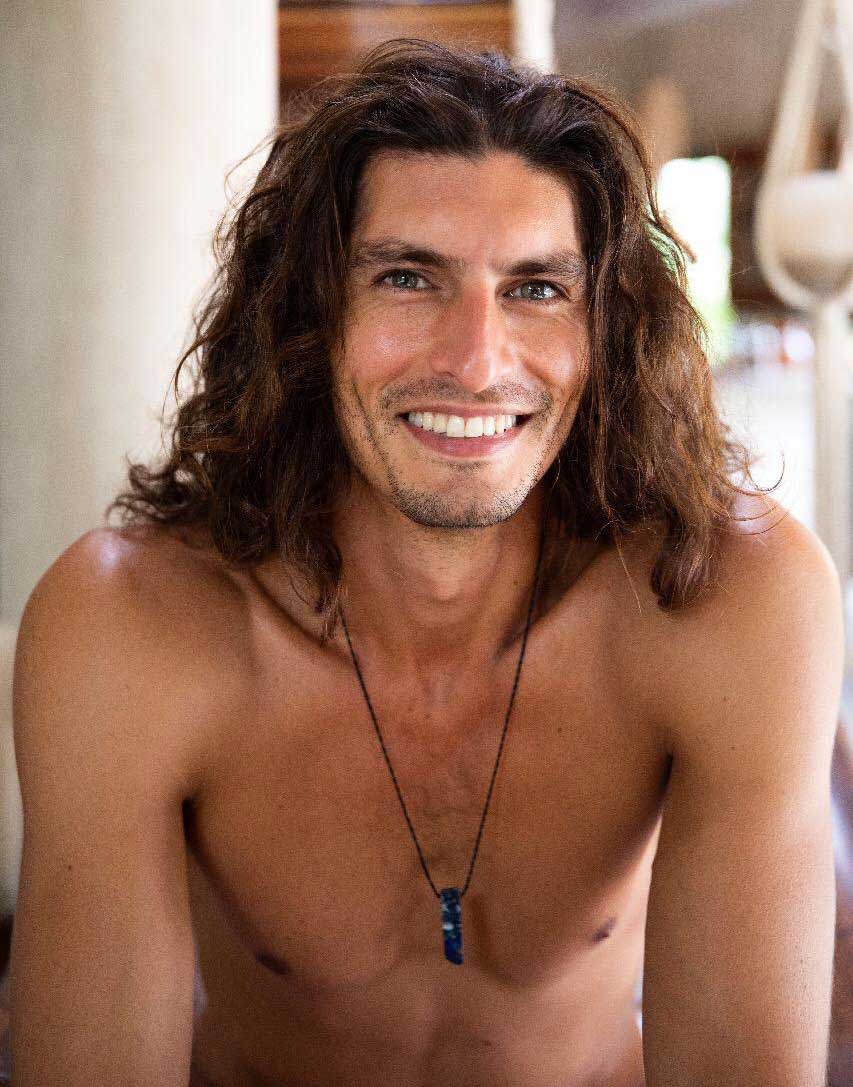
Rodhø is Patient A
He built the method to regulate his own nervous system first. A freediver to −76 m who learned to use CO₂ tolerance to self-regulate, then turned what he needed to function into something other people could use.
Not a guru. A founder who solved his own problem.
Rodhø has a fragile, intuitive nervous system, neurodivergent (ADHD, dyslexia, autism), and years shadowed by depression and self-doubt. He doesn't hand that story out for free as a confession. He states it plainly, because it is the reason the method exists at all.
Alchemy Rewire teaches people to use their own neurochemistry to regulate the nervous system, breath and CO₂ tolerance at the core. It was built for one person who needed it badly, then proven to work for others.
He wants to be useful, not worshipped: a founder you can rely on, humble about his mistakes, professional about the work. The method, not the man, is what's meant to last.

Necessity, not design.
Diagnosed early with ADHD, dyslexia and autism, Rodhø spent years where depression was always around the corner and self-doubt ran the show. Traditional treatment didn't hold. For a long stretch it took four hours of breathwork and meditation a day just to stay level.
Freediving changed the maths. Drawn to the discipline of depth, a personal best of −76 m and a 7:19 breath hold, he noticed that 20 minutes of breath holds and CO₂ tolerance reached the same regulated state that four hours of meditation had been buying him.
That was the doorway. CO₂ tolerance, not breath alone, was the engine: the threshold that activates HRV, the brain maps and the neurochemistry of self-regulation. The five pillars grew from there.
“The moment you embrace who you are, everything shifts.”
Built from lived experience.
Measured, not asserted.
CO₂ Tolerance
The ultimate pillar, the one that activates the others. Trained safely and intermittently, CO₂ tolerance is the threshold the nervous system reads to switch out of survival and into regulation.
Physical Stress & Exercise
Controlled physical load, cycling and movement with breath holds taken mid-effort, trains the same adaptation as the breath itself. Stress applied on purpose and recovered from properly, so the system comes back stronger.
Keto-Adaptive Diet
Ketosis, alkalinity and fermented food, cycled against the circadian clock: fats and collagen in the morning to build, minerals and electrolytes at night to repair. Less a diet than the fuel a coherent day runs on.
Live Music Resonance
Improvised live sound played into the session, guiding the vagus nerve and the central nervous system. Felt strongest in the room, a screen reaches most of it, never all of it.
Structured Reintegration
The decompression half of the loop. Vocal activation, nutrition and somatic work that let you come down and recover, so coherence holds instead of spiking and fading.
This isn't for everyone. That's deliberate.
People whose systems run hot and fast, the dysregulated and the neurodivergent. ADHD, burnout, the overstimulated overachiever, the high-end CEO, the festival-goer who feels too much. High-frequency beings looking for the off switch as much as the on.
Broadly: anyone losing their grip and disconnected from their body in a world that accelerates faster every year. If your nervous system reads ordinary life as an emergency, this was built for you.
Anyone after a quick fix. Anyone unwilling to commit, to be disciplined, or to meet discomfort. The method asks you to stay with the urge to breathe rather than escape it, that work doesn't suit everyone, and we don't pretend otherwise.
If you want to be handed a feeling without doing the practice, this won't land. We'd rather say so now than waste your money.
Start Your Deep Dive
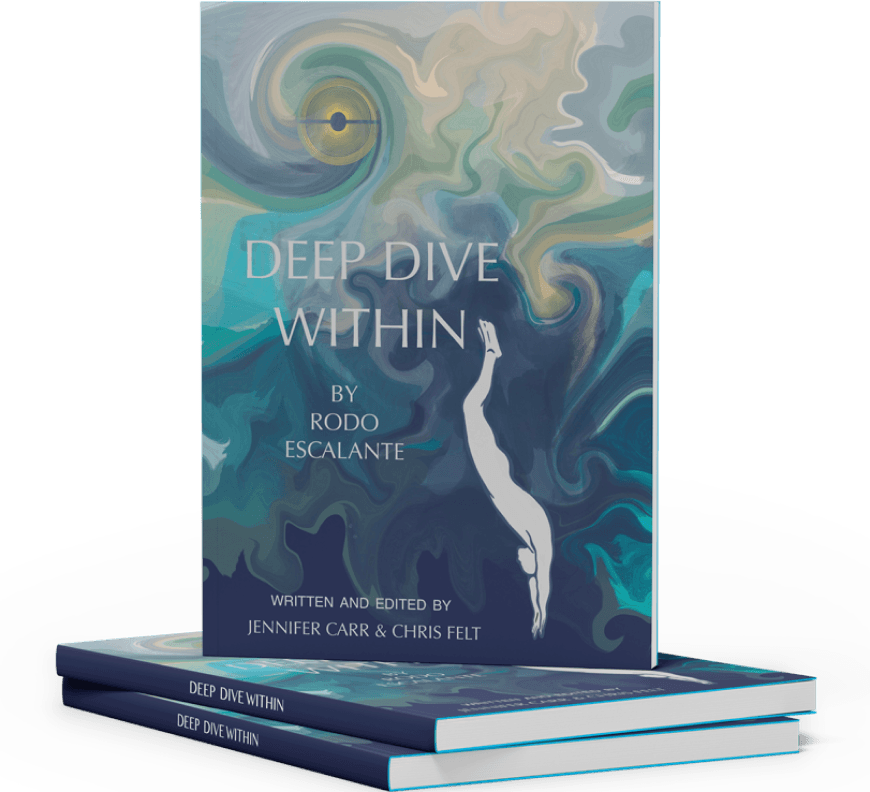
Download the free e-book preview, “Deep Dive Within”, to learn how Alchemy: Rewire can help you build the techniques to live from your center.
Carried by the Navigators.
Navigators are the teachers who carry Alchemy so it doesn't depend on one person. They run the Level One journeys, the entry point most people meet the method through, and they're the reason it can last.
The Navigator TrainingGo deeper into the science

What Is CO₂ Tolerance and Why It Matters for Your Mental Health
CO₂ tolerance breathwork is one of the least talked-about, yet most powerful, tools for calming a dysregulated nervous system. It works not by talking, but through the body.
Read
Neuroplasticity Explained: How Your Brain Can Rewire Itself at Any Age
For most of the twentieth century, science believed the adult brain was essentially fixed. We now know it can rewire itself — at any age.
Read
Emotional Release And Why It Can Feel Exhausting
A deep cry or a powerful therapy session can feel like a breakthrough — and then leave you drained, foggy, and tired. That exhaustion is not a setback; it is your nervous system doing real work.
Read