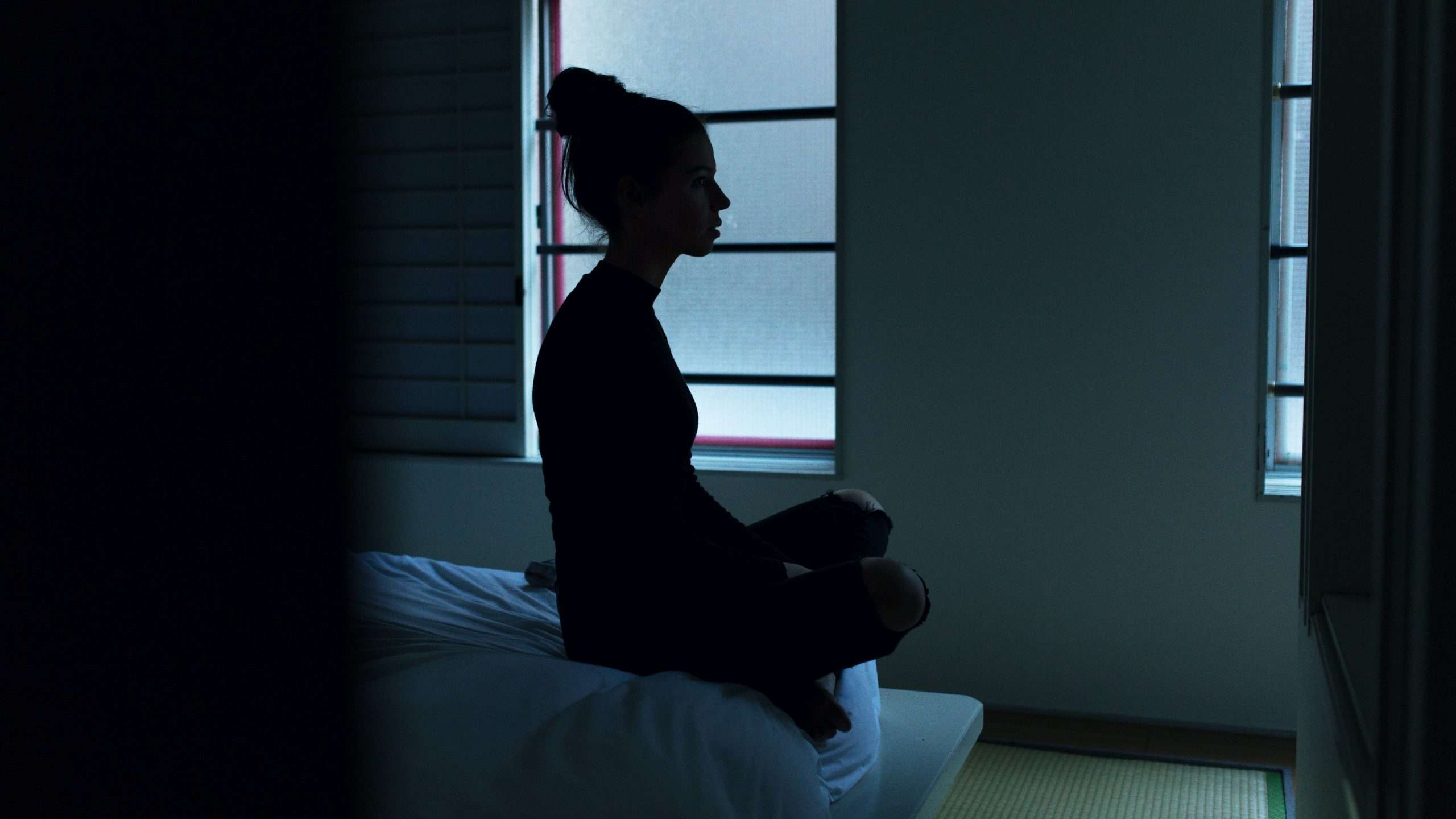
Sympathetic vs. Parasympathetic: A Quick Overview: The autonomic nervous system controls the functions of the body that happen automatically. Think of your breath, heart rate, digestion, and immune response. It has two main parts: the sympathetic nervous system and the parasympathetic nervous system. Both are essential. Their goal isn’t to eliminate stress. Instead, they aim to help us move smoothly between states as life changes.
The sympathetic nervous system is responsible for the fight-or-flight response. It mobilizes energy, increases heart rate, sharpens focus, and prepares the body to respond to perceived threats. In short bursts, this response is protective and necessary. In modern life, the sympathetic system often gets activated more than it should. This keeps the body in a state of ongoing vigilance.
The parasympathetic nervous system does the opposite. It supports slowing down, conserving energy, and restoring balance after stress. This is the place where the body digests food. It repairs tissues, manages inflammation, and handles emotions too. These two systems work together, like a gas pedal and brake. They help the body respond and then recover.
Nervous System Dysregulation, Explained
Nervous system dysregulation happens when the body gets stuck in survival mode. It can’t easily switch between being active and resting. The nervous system gets stuck in fight, flight, freeze, or collapse.
This process is controlled by the autonomic nervous system. It manages heart rate, digestion, breathing, sleep, and emotional responses. When this system is overwhelmed by chronic stress, trauma, or prolonged overstimulation, symptoms begin to appear across both the body and mind.
Many people have these symptoms for years. They often think these issues are personal flaws or separate health problems. However, they are actually linked to the nervous system.
1. You Feel Constantly On Edge
Even during calm moments, your body feels tense or alert. This is a classic sign of prolonged fight or flight activation.
2. Anxiety Appears Without a Clear Trigger
Your nervous system might respond to internal signals instead of outside threats. This can lead to ongoing anxiety or discomfort.
3. Chronic Fatigue or Burnout
When the nervous system stays activated for too long, it eventually leads to exhaustion and depletion.
4. Difficulty Sleeping or Staying Asleep
A nervous system that’s out of balance finds it hard to relax. This often causes insomnia or restless sleep.
5. Digestive Issues
Bloating, nausea, constipation, and irregular appetite are common. This happens because digestion slows down during survival states.
6. Emotional Reactivity
You may feel easily overwhelmed, irritable, tearful, or emotionally volatile in response to minor stressors.
7. Emotional Numbness or Disconnection
For some, dysregulation shows up as shutdown rather than anxiety, creating feelings of detachment or emptiness.
8. Difficulty Concentrating or Making Decisions
The brain focuses on survival instead of executive function during stress.
9. Sensitivity to Noise, Light, or Touch
Heightened sensory sensitivity can indicate a nervous system stuck in high alert.
10. Muscle Tension or Chronic Pain
The body often holds stress physically, especially in the jaw, shoulders, neck, and hips.
11. Racing Thoughts or Mental Overactivity
An overactive nervous system often leads to constant thinking, worrying, or mental looping.
12. Feeling Unsafe Without a Clear Reason
A persistent sense of danger or unease can exist even when life circumstances are stable.
13. Shortness of Breath or Shallow Breathing
Breathing patterns often become restricted during prolonged stress responses.
14. Difficulty Relaxing or Doing Nothing
Stillness may feel uncomfortable or agitating when the nervous system is dysregulated.
15. Cycles of Overdrive Followed by Collapse
Periods of productivity or intensity may alternate with crashes of fatigue, illness, or emotional shutdown.
How Fight or Flight Becomes the Default
Fight or flight is designed to be a temporary state. However, modern life often keeps the nervous system exposed to constant stressors without adequate recovery.
Over time, the body begins to treat everyday experiences as threats. The nervous system adapts by staying activated, even when danger is no longer present. This adaptation is protective, but it becomes limiting when it turns into a chronic pattern.
Why These Symptoms Are Not Your Fault
A dysregulated nervous system is not a sign of weakness or failure. These symptoms are your body’s way of trying to communicate. It's intelligent, even if its message is unclear.
Understanding this reframes healing from fixing yourself to supporting your nervous system back into balance.
Supporting Nervous System Regulation
Regulation begins with safety, not force. Small, consistent practices can help retrain the nervous system over time.
Supportive approaches include:
-
Slow, intentional breathing
-
Gentle, rhythmic movement
-
Predictable routines and rest
-
Sensory grounding
-
Safe connection and co-regulation
-
CO2 tolerence & the breath hold
Finding Nervous System Support with Alchemy: Rewire
Alchemy: Rewire works with the breath as a direct entry point into nervous system regulation as a whole. Breath is one of the few ways to consciously tap into the autonomic nervous system. It can affect heart rate, stress hormones, emotional processing, and recovery.
This work helps the nervous system stay present and calm during discomfort instead of avoiding it.
At the core of Alchemy: Rewire is intentional breathwork. Specifically, the cultivation of CO₂ tolerance through guided breath holds is what sets this method apart. This process challenges the nervous system in a controlled, supported way. It signals to the body that intensity can be experienced without danger. As CO₂ levels rise, the nervous system learns to respond with regulation rather than reactivity. Over time, this strengthens pathways associated with calm, adaptability, and recovery. In this way, the breath hold becomes a doorway into untapped resilience, and Alchemy: Rewire provides the structure that helps participants cross that threshold safely.
During these practices, students often encounter what is known as “the contraction,” a physiological response also experienced by freedivers during extended breath holds. This moment can closely mirror the sensations of peak anxiety. Rather than resisting it, participants are guided to stay with the experience. Live music serves as a grounding force. It helps the nervous system shift from high arousal to a calm flow state.
Through this process, Alchemy: Rewire teaches the body, nerves, and internal rhythms to work with stress rather than against it. By using breath, awareness, and body responses together, participants can change old patterns. They learn to self-regulate and shift their relationship with anxiety, depression, and stress. This new approach is rooted in agency and resilience.
References
Porges, S. W. (2011). The polyvagal theory: Neurophysiological foundations of emotions, attachment, communication, and self-regulation. https://wwnorton.com/books/9780393707007
Lehrer, P. M., Vaschillo, E., & Vaschillo, B. (2000). Resonant frequency biofeedback training to increase cardiac variability. Applied Psychophysiology and Biofeedback, 25(3), 177–191. https://link.springer.com/article/10.1023/A:1009554825745
Zaccaro, A., Piarulli, A., Laurino, M., Garbella, E., Menicucci, D., Neri, B., & Gemignani, A. (2018). How breath-control can change your life: A systematic review on psychophysiological correlates of slow breathing. Frontiers in Human Neuroscience, 12, 353. https://www.frontiersin.org/articles/10.3389/fnhum.2018.00353/full
Meuret, A. E., Wilhelm, F. H., & Roth, W. T. (2001). Respiratory biofeedback-assisted therapy in panic disorder. Behavior Modification, 25(4), 584–605. https://journals.sagepub.com/doi/10.1177/0145445501254006Thayer, J. F., & Lane, R. D. (2009). Claude Bernard and the heart-brain connection: Further elaboration of a model of neurovisceral integration. Neuroscience & Biobehavioral Reviews, 33(2), 81–88. https://www.sciencedirect.com/science/article/pii/S0149763408000667
Feel the method for yourself
A live, guided CO₂ session every Sunday at 6pm CET. No experience needed — it stays free.
Join the free Sunday Reset →