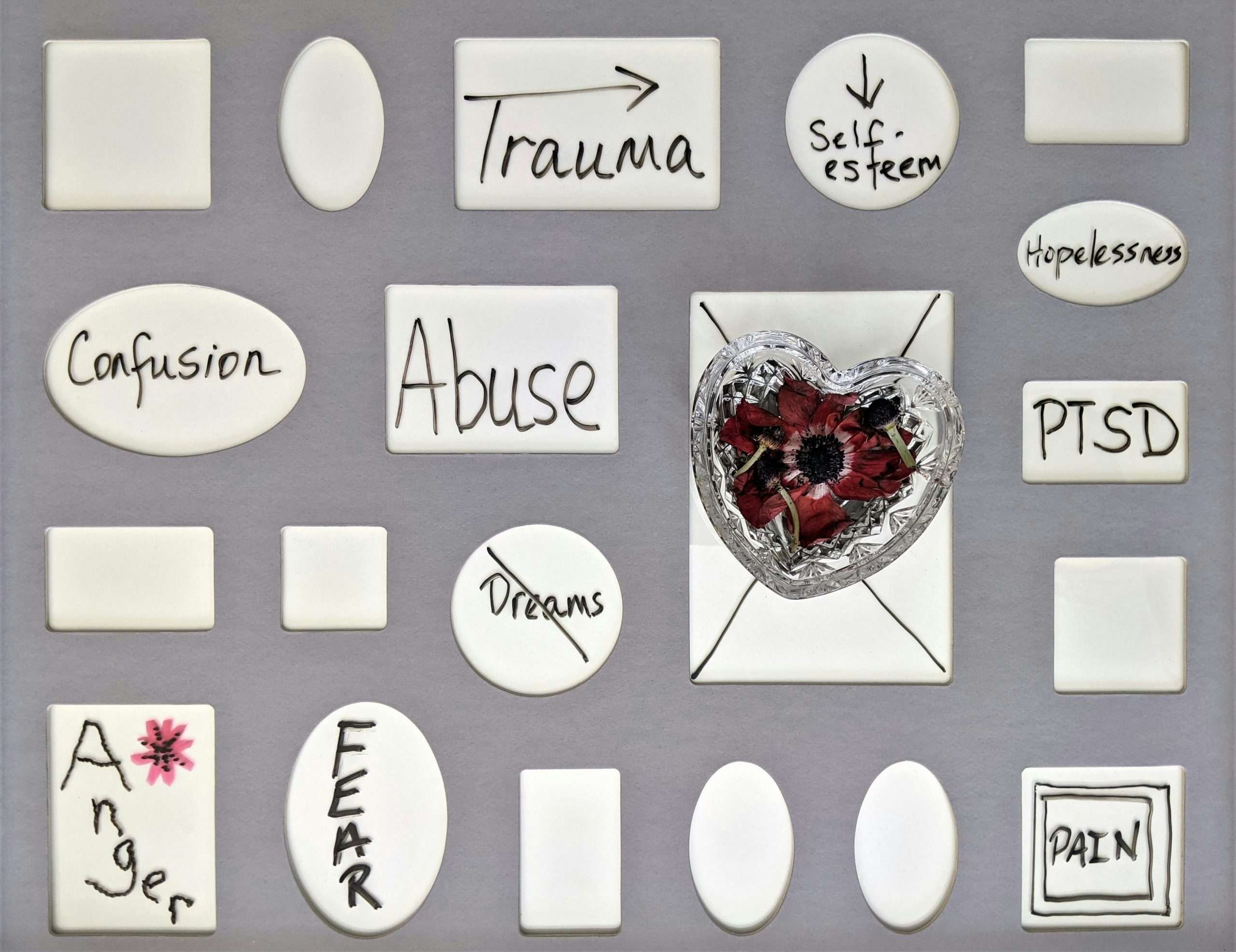
Rethinking trauma
For decades, people have viewed trauma as a psychological issue. It exists in our memories, thoughts, and beliefs. At its core, trauma is an experience of the nervous system. While cognition matters, modern neuroscience and somatic research highlight this key fact. Trauma is not defined by what happened. The definition comes from the body's reaction to stress, danger, or a sense of insecurity.
Trauma and the nervous system
The nervous system handles detecting danger and mobilizing the body for survival. When the body senses a threat, the autonomic nervous system kicks in. It triggers protective actions like fight, flight, freeze, or collapse. In healthy stress responses, the body eventually reaches a state of regulation after the threat passes. Trauma occurs when this return does not happen.
Instead, the nervous system learns to remain in a state of heightened activation or shutdown. This learned state becomes the new baseline, even long after the original event is over. The trauma is no longer about the past. It is about the body’s present-moment physiology.
This is why trauma symptoms often feel irrational or disconnected from current circumstances. The nervous system is responding to internal cues, not conscious thought. The brain is broadcasting a stuck emotion, not reality. Deconstructing this shifts everything, and helps you begin the journey of overcoming your thoughts.
Somatic trauma and the body
Somatic trauma is how the body holds and shows trauma, not just through stories or memories.
This can include:
-
Chronic muscle tension or pain
-
Shallow or restricted breathing
-
Digestive dysfunction
-
Persistent anxiety or numbness
-
Fatigue, brain fog, or dissociation
-
Feeling unsafe without a clear reason
These symptoms are not signs of weakness or failure. They are evidence of a nervous system that adapted to survive. Trauma stored in the body is not stored as a story. It is stored as patterns of tension. It includes altered breathing, autonomic responses, and reflexive reactions to sensation and stress.
Why talking about trauma is often not enough
Traditional talk-based approaches can help create insight and meaning. Yet, insight alone does not resolve a dysregulated nervous system.
Trauma responses start in parts of the brain that work without us being aware. These regions focus on survival over logic. Someone can grasp their trauma in their mind but still feel anxiety, panic, or shut down. Healing needs direct engagement with the nervous system, not just the thinking mind.
Trauma is frequently recalled in a subtle manner rather than in a direct way. The body remembers through sensation, posture, breath, and reflex.
A sound, a sensation, or a subtle internal shift can activate a trauma response without any conscious memory attached. This is not psychological regression. Your nervous system is learning to do exactly what it was designed to do. It's trying to protect you, and doesn't understand the apparent threat isn't present. Understanding this reframes trauma from something to overcome into something to work with.
Regulation as the foundation of healing
Healing trauma is not about reliving the past or forcing emotional release. It is about helping the nervous system experience safety, flexibility, and completion.
Somatic approaches focus on:
-
Restoring nervous system regulation
-
Expanding capacity to stay present with sensation
-
Allowing protective responses to resolve gradually
-
Teaching the body that threat has passed
When the nervous system learns it no longer has to remain vigilant, symptoms begin to shift on their own.
Trauma is a state, not an identity
Trauma is not who you are. It is a state your nervous system learned under specific conditions.
Because the nervous system is plastic, these patterns can change. With the right support, the body can learn new responses to stress, sensation, and intensity.
This is not about fixing yourself. It's about improving how your system transitions between being activation and rest.
Alchemy:Rewire & nervous system regulation
Alchemy: Rewire works with the breath as a direct entry point into nervous system regulation as a whole. Breathing is a unique way to access the autonomic nervous system. It can change heart rate. It also impacts stress hormones, emotional processing, and recovery.
Rather than avoiding discomfort, this work teaches the nervous system how to remain present and regulated within it.
At the core of Alchemy:Rewire, is intentional breathwork. The cultivation of CO₂ tolerance through guided breath holds is the distinguishing factor of this method. This process challenges the nervous system in a controlled, supported way. It sends a signal to the body that it can experience intensity without danger. As CO₂ levels rise, the nervous system learns to respond with regulation rather than reactivity. Over time, this strengthens pathways associated with calm, adaptability, and recovery. The breath hold opens a door to hidden resilience. Alchemy: Rewire offers a framework designed to help participants safely cross that threshold.
During these practices, students often encounter what is known as “the contraction”. This is a physiological response also experienced by freedivers during extended breath holds. This moment can closely mirror the sensations of peak anxiety. Rather than resisting it, participants are guided to stay with the experience. Musicians introduce live music as a grounding and orienting force. This helps the nervous system transition from arousal into a regulated flow state.
Alchemy: Rewire trains the body, nerves, and internal rhythms to manage stress, instead of resisting it. By connecting breath, awareness, and body response, participants can change old habits. They learn to self-regulate and reshape their relationship with anxiety, depression, and stress. This process builds agency and resilience.
References
Van der Kolk, B. A. (2014). The Body Keeps the Score: Brain, Mind, and Body in the Healing of Trauma. Viking. https://www.penguinrandomhouse.com/books/220347/the-body-keeps-the-score-by-bessel-van-der-kolk-md/
Porges, S. W. (2011). The Polyvagal Theory: Neurophysiological Foundations of Emotions, Attachment, Communication, and Self-Regulation. W. W. Norton & Company. https://wwnorton.com/books/The-Polyvagal-Theory/
Levine, P. A. (2010). In an Unspoken Voice: How the Body Releases Trauma and Restores Goodness. North Atlantic Books. https://www.northatlanticbooks.com/shop/in-an-unspoken-voice/
Payne, P., Levine, P. A., & Crane-Godreau, M. (2015). Somatic experiencing: Using interoception and proprioception as core elements of trauma therapy. Frontiers in Psychology. https://www.frontiersin.org/articles/10.3389/fpsyg.2015.00093/full
Schauer, M., & Elbert, T. (2010). Dissociation following traumatic stress. Journal of Psychology. https://pubmed.ncbi.nlm.nih.gov/20183635/
Feel the method for yourself
A live, guided CO₂ session every Sunday at 6pm CET. No experience needed — it stays free.
Join the free Sunday Reset →